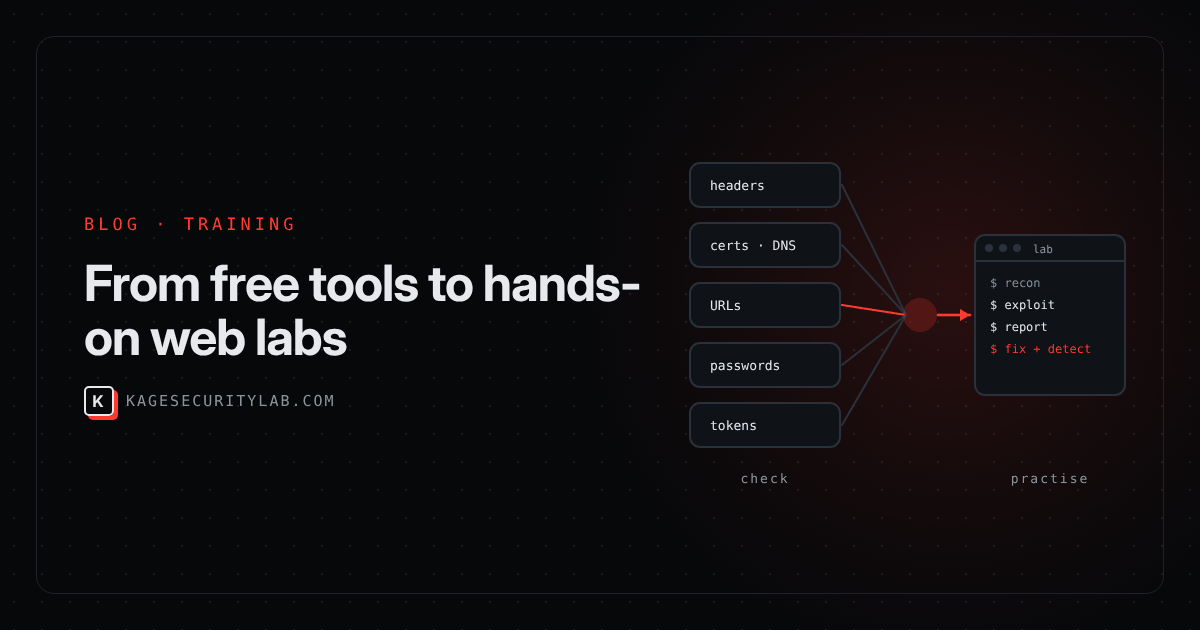
Our free tools answer a defender's question: what does my site expose? This post pairs each one with the attacker's question, what can I do with that?, and with a place to practise the answer legally. The practice links go to the free topic guides at WebVerse Learn, each of which comes with labs or challenges.
1. Security headers → cross-site scripting and CSRF
Check: the Security header grader shows whether a site sends a Content-Security-Policy, frame-ancestors, safe cookie flags and the rest.
Why attackers care: a missing or weak CSP turns a small HTML-injection bug into full cross-site scripting. Missing SameSite cookies and framing protection make cross-site request forgery and clickjacking practical.
Practise: the Cross-Site Scripting (XSS) and Cross-Site Request Forgery (CSRF) guides on WebVerse Learn. Then come back and re-read your own header report: you will see each missing line differently.
2. Certificates and DNS → recon
Check: the Certificate inspector and DNS lookup show certificates, names and records a domain publishes.
Why attackers care: certificate transparency logs and DNS are the first step of almost every engagement. Forgotten staging hosts, old admin panels and internal-looking names appear here long before anyone scans a port.
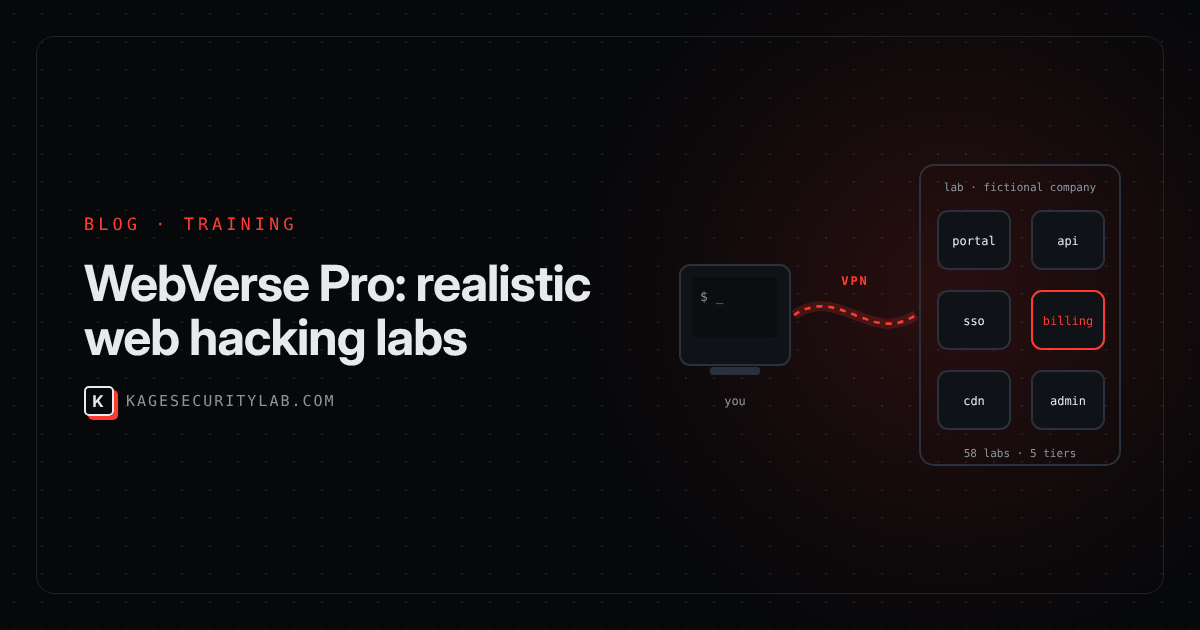
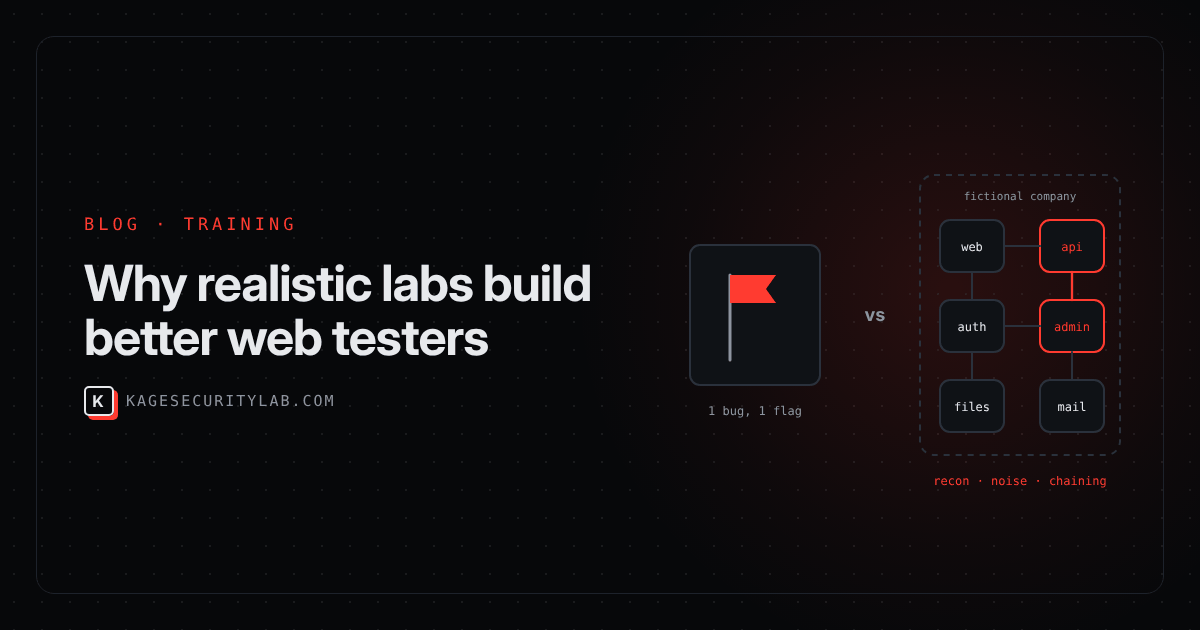
Practise: every full WebVerse lab starts with mapping a fictional company. Treat recon as a step of its own: list hosts, services and roles before you look for bugs.
3. Suspicious links → open redirects and OAuth
Check: the Phishing URL analyzer unpacks redirects, lookalike domains and tracking parameters in a link.
Why attackers care: a trusted domain that redirects anywhere is a gift for phishing, and in OAuth flows a loose redirect_uri check can leak authorisation codes or tokens.
Practise: the OAuth Hacking guide on WebVerse Learn.
4. Passwords → authentication flaws
Check: the Password breach check (k-anonymity: only 5 characters of a hash leave your browser) and the Password strength tool.
Why attackers care: credential stuffing works because passwords are reused. Behind the login form, weak lockout, guessable reset tokens and flawed multi-step logins do the rest.
Practise: the Authentication Vulnerabilities and Broken Access Control guides. Access control is the flaw we report most often in client assessments.
5. Tokens → JWT attacks (members)
Check: members can decode a token with the JWT decoder to see its algorithm, claims and expiry.
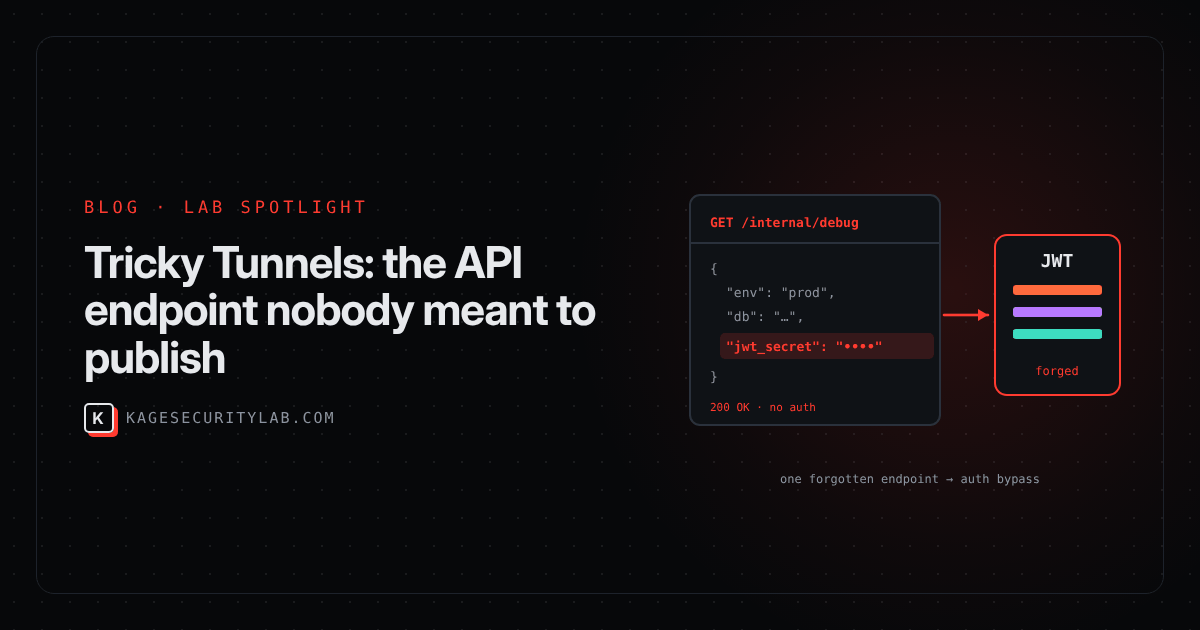
Why attackers care: a token signed with a weak or leaked secret, or a server that trusts the token's own algorithm header, lets anyone mint a valid session.
Practise: the JWT Attacks guide on WebVerse Learn. Our lab spotlight on Tricky Tunnels shows how one exposed API endpoint leads to exactly this.
Make it a habit
Pick one pair a week: run the check on a site you own, read the matching guide, solve the practice, and write three lines on how you would fix and detect it. In two months you will have covered most of the issues we find in real assessments.
Prefer us to look at your applications for you? See our penetration testing service or talk to an analyst.